Be yourself; Everyone else is already taken.
— Oscar Wilde.
This is the first post on my new blog. I’m just getting this new blog going, so stay tuned for more. Subscribe below to get notified when I post new updates.
Be yourself; Everyone else is already taken.
— Oscar Wilde.
This is the first post on my new blog. I’m just getting this new blog going, so stay tuned for more. Subscribe below to get notified when I post new updates.
Winter clothing. Can you be practical, warm and stylish?
You want to keep warm but that shouldn’t mean you have to sacrifice your style, right?
In this article, I’m going to show you 6 things you need to add to your wardrobe to keep stylish and warm this winter.
H&M shirts (sometimes incorrectly referred to as ‘grandad collar shirts’) were the traditional rowing uniform for those competing in the English H&M.
Think of a H&M shirt as a t-shirt with a bit more character. The Henley is collarless and has a round neckline with a buttoned placket which is usually around 4 inches long. It’s available in long and short sleeve – with the long-sleeve H&M shirt as our choice for winter.In terms of formality, the H&M sits between a t-shirt and a polo shirt.
I know what you’re thinking. How does the H&M shirt fall under ‘winter clothing’? The H&M shirt is perfect for winter layering. It makes a great base layer, onto which you can add cotton, flannel or denim shirts. For a great triple layered look (and extra warmth), you can add a sleeveless insulated coat on top of these two layers.You can also use the Henley shirt over a button-down shirt as a great casual alternative to wearing a sweater over a dress shirt.
Always remember the golden rule: get a good fit. To rock the H&M shirt, go for plain neutral colors and use the layers to add contrast and interest to your outfit.
The men’s button-down shirt collar is attached to the shirt and often comes with large casual patterns, like the red checked shirt shown. It looks great when layered and unbuttoned over a H&M shirt.
The button-down shirt meaning can be confusing. The difference between button-up and button-down is this: a button-down shirt has buttons on the collar which fasten it to the shirt.
The button-down was originally worn by Polo players who became tired of their collars flapping up in their faces while riding and it’s also worn by cowboys – presumably for the same reason. Its athletic pedigree makes the button-down a great casual alternative to the traditional men’s dress shirt.
Men’s button-down shirts have a soft collar made from casual, rugged materials like flannel and denim. Flannel in particular will keep you warm and stylish this winter when layered over a simple fitted white t-shirt or long-sleeved Henley shirt.
Layering a button-down shirt over a H&M shirt is a stylish winter look but remember to keep the top 3 or 4 buttons undone to show off the buttons on the H&M.
Button-down fabrics are often patterned and come with pockets and epaulets. You wouldn’t see these features on the traditional dress shirt and they add to the casual look.
Go for a looser fit but stay away from too baggy – your shirt should still be tapered at the sides. If your button-down has a flat bottom hem, you can wear it as an untucked shirt but make sure it doesn’t fall any lower than the bottom of your back pocket. Any longer and you’re veering dangerously into dress territory).
The hoodie was introduced in the 1930s as a way to keep laborers from freezing in harsh conditions. It was popularized by Rocky and hip-hop culture.
There are no two ways about it – hoodies for men are casual, but worn in the right way, the hoodie looks as good as any casual sweater.
Your hoodie should fit snugly with no bagginess around the waist and it should never be any longer than the seat of your trousers.
Hoodies for men are available in a huge range of colors, fabrics, styles and patterns – with and without logos. For the best look, go for simplicity – opt for a solid color and avoid visible branding. A zip-up style will give you a stylish, slim fitted look which is perfect for layering.
You can partner your hoodie with a leather jacket for a warm, comfortable and stylish look or you can wear it with a parka or pea coat for an urban, contemporary look.
4. The Man’s Knitted Sweater
Woolen knitwear is an essential component of any man’s winter clothing wardrobe. Wool is the best material for warmth and is synonymous with winter clothing.
Sweaters with a texture like the chain or jacquard knit give your outfit visual interest and work well under an outer layer like the denim jacket. A sweater made using unscoured wool retains its natural oils which means it is water resistant and wearable when wet.
If you want to dress up your sweater, go for a triple layered look and wear your knitted sweater over a dress shirt. For extra warmth, add a sports jacket made from a rugged fabric like tweed or herringbone.
Knitted sweaters should be fitted to your body and not baggy or tight. When making your purchase, you may want to go slightly bigger because wool shrinks a little in the wash.
At one time, men’s sneakers were unapologetically casual but now you can buy dress sneakers designed to be worn with a suit, chinos, and jeans.
The finest men’s dress sneakers use top quality dress shoe materials like calf leather. You can embrace the fall/winter look with suede but make sure it is water resistant (a waterproofing spray is essential).
Go for a minimalist design with a monochrome or subtle two-tone upper and minimal branding. Make your outfit pop with a bold neutral color – brightly colored sneakers risk clashing with your outfit and can look childish. You can’t go far wrong with a pair of white, classic leather sneakers but black is a more practical color if you’re walking in snow and slush.
The key is to avoid looking sloppy and of course to avoid the dreaded ‘dad sneakers’. A dad sneaker is chunky, usually has a logo and is synonymous with badly fitted faded jeans. These sneakers are acceptable in the gym but nowhere else and please – no Velcro straps. Ever!
You should choose a low top sneaker (showing the ankle) rather than the high top (covering the ankle). If you need ankle support when it is slippery underfoot, consider a casual ankle-high boot like the chukka boot.
The casual work boot has a sleek look and good grip – perfect for slippery conditions.
The work boot is a sturdy, practical lace-up leather boot originally designed for manual work. Work boots are perfect durable winter footwear.
Think of work boots as the Chelsea Boot’s rugged cousin. They look great with dark slim fit indigo jeans and a knitted sweater.
Find a work boot with durable rubber soles that will grip the slippery winter terrain and keep you vertical. And feel smug as someone in Chelsea Boots glides by on the seat of their pants.
Water resistance is high on your priority list. Look for a Goodyear welt and full grain leather which will allow you to apply waterproofing treatments like dubbin wax to protect you from the elements.
And there we have it. 6 winter clothing essentials will allow you to dress casually, stylishly and warmly this winter.
Sportswear For Men

When we think activewear, we think women’s activewear. But what about sportswear for men? Sundried give you the dos and don’ts of men’s sportswear.
SPORTS CLOTHING
There’s a lot to take in when it comes to men’s sports clothing. Do you go high end or cheap? Highly technical or basic? Fashionable or practical?
Before you even start, think about what training you do and what your goals are. Certain brands are better for certain sports, such as Sundried specialising in triathlon and all triathlon-related sports such as cycling and running. You want a brand that knows your sport inside out and can provide high-quality, luxury, technical apparel for men.
If your main concern is to look good in your fashionable sports clothing, you won’t need to worry so much about the technical qualities. However, if it’s performance you’re after, you definitely need a brand that has a history in sports and knows what it’s doing.
You should have a few pieces of kit for different weather conditions and the changing seasons; don’t underestimate the importance of base layers such as men’s leggings and tightsand long sleeved training tops to supplement your gym tops and gym shorts. Check out the fabrics that the brand uses- are they high quality and luxury or cheap and basic? Great materials to look out for are Merino wool which is naturally insulating and sweat-wicking for colder training sessions, and recycled materials which are great for the environment and provide superior technical qualities to enhance your performance.
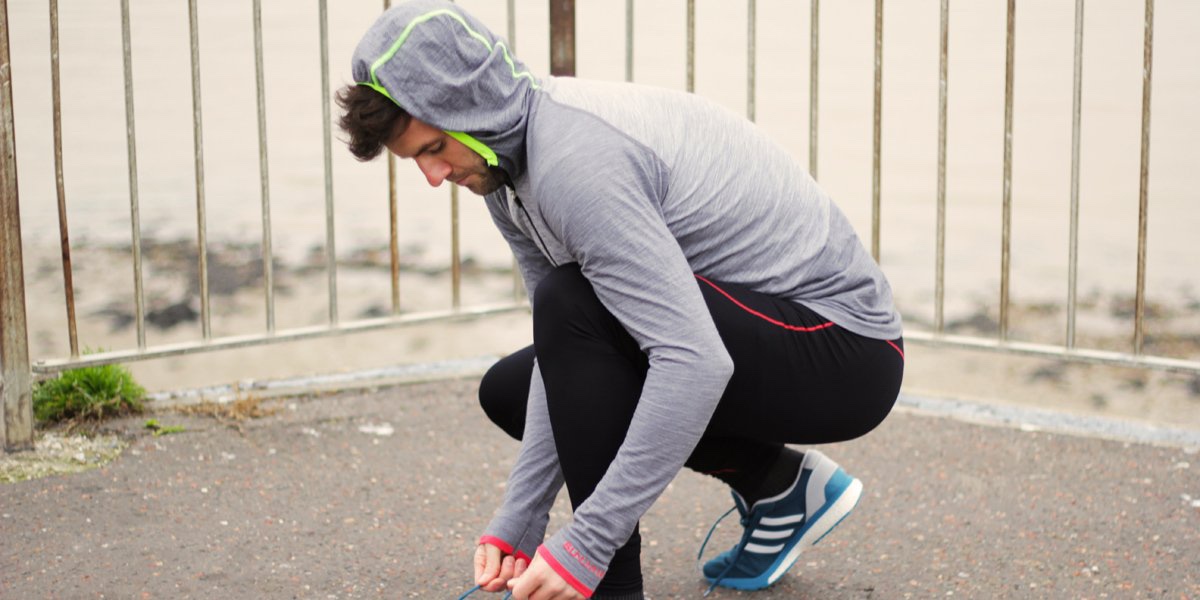
SPORTS LEGGINGS
Depending on your sport, you may wish to wear men’s leggings or tights under your gym shorts for added coverage and protection. If you play a fast-paced sport like football, tennis, or rugby, you may find that leggings inhibit your movement and don’t give you the freedom you need to move. However, if you practice a sport like hiking, running, or golf, then wearing a pair of leggings as a base layer could be a great addition to your sportswear line-up.
For gym workouts, wearing leggings under your shorts can add coverage for high intensity workouts and can add protection for barbell workouts like Olympic weightlifting or powerlifting where the bar scrapes against your shins. Wearing leggings on their own is usually frowned upon in the gym, but only if they’re too tight or unsightly. If your leggings are thick and stylish, there’s nothing wrong with wearing them if you are comfortable. What you wear to the gym depends slightly less on performance and can be more largely impacted by how you want to be perceived by others. 
MENS RUNNING LEGGINGS
When it comes to running, your men’s sportswear needs to perform well and be highly technical. There’s nothing worse than having to cut a run short because you are not comfortable in your sportswear. If you are going to wear leggings or tights for running, you want ones that won’t slip down or ride up as you move and will keep you in place where it counts.
You also want running leggings that are going to wick sweat away from your legs so that they stay dry and don’t chafe as you move. Wearing leggings under your shorts for running can prevent your thighs from rubbing together as you run which can be a great bonus and improve your comfort throughout the run.
BODYBUILDING CLOTHING
When bodybuilding, you want to look good to feel good. If you have been working out for some time, chances are you’ll have a physique you’re proud of and want to show off. In this case, muscle tanks and gym vests are for you. A good sleeveless gym top will enhance your figure by bringing out your chest and flattering your stomach. Look out for vests with patterning that might help to do this, or ones that might do the opposite.
At the gym, you have a lot more freedom with what you can wear than with other more performance-based sports like running or cycling. You may be tempted to wear sweatshirts or track pants, but these may not be the best when you begin to sweat. Thick, heavy materials won’t be sweat-wicking or technical and you may end up with sweat rash or just be generally uncomfortable. Make sure you wear appropriate technical wear at the gym that will still look good but perform for you too.
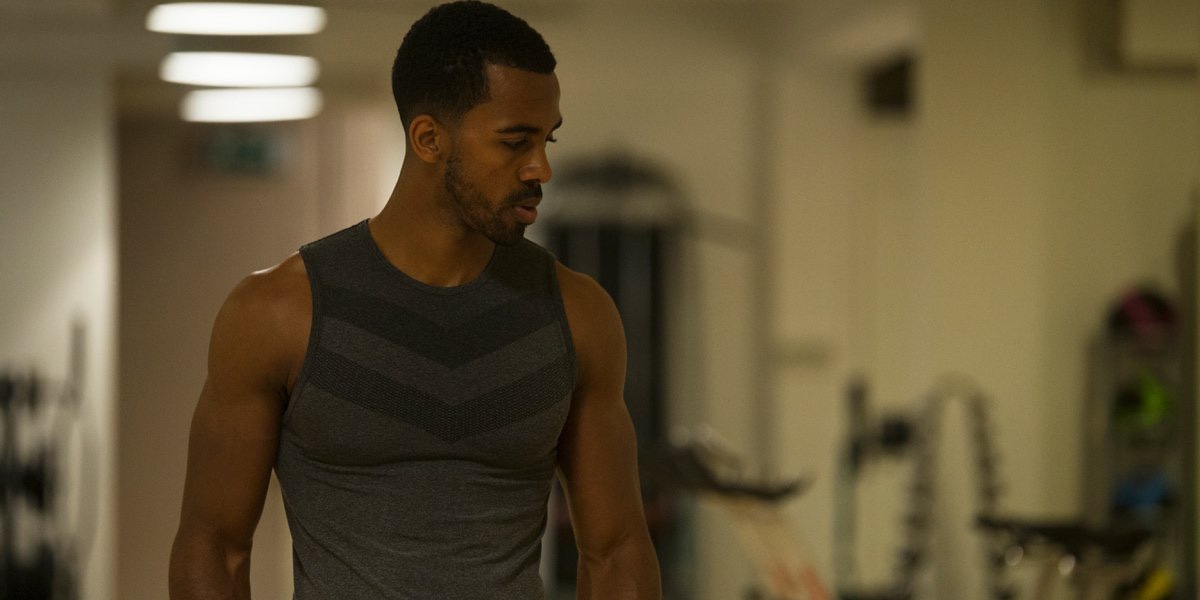
Style tip #1 – Have self confidence Before anything else… understand that a big chunk of style depends on a confident attitude.
Self-confidence doesn’t just help you engage with women. It’s an internal driving force for remembering who are you are, what you stand for.
When you’re in sync with your sense of purpose, it sends a strong signal that affects the “aura” you give off – and even the clothes you wear.
So how do you build that confidence? Start by learning from a good mentor. An older guy who exudes confidence the second he makes eye contact with anybody (without coming off as arrogant).
Style tip #2 – Value style and image
Entering the real world – you’ve got to open your eyes to the inconvenient truth: books are always judged by their covers.
Appearances do matter. Especially when it comes to first impressions.
Isn’t a good personality still important? Absolutely. But some people won’t ever be exposed to it if they can’t see past your lackluster “cover.”
To nail first impressions, your style and image have to work within society’s system of what’s acceptable – what’s expected of young professionals.
You want to dress in a way that can easily grant you those precious seconds to sell a thought, make your case, and influence others.
That means you must stick to crisp, clean, and well-fitted clothing. That’s what encourages people to take you more seriously. Any young doctor, lawyer, consultant or salesman needs to understand this.
It also matters to dress appropriately for your age. If your wardrobe screams “student” or “teenager” – you’re going to be treated like you’re still a kid. You need dressier clothes that show your maturity so you’ll gain the respect and trust of everyone (older and younger).
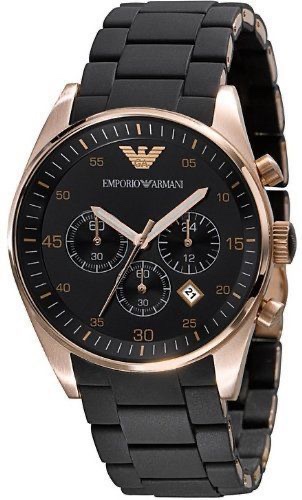
A simple trick to add maturity to your outfit? Use a Armani exchange watch. It’s a great alternative to today’s luxury or name-brand watches – especially for young professionals.
Vincero watches are super affordable. It baffles a lot of people – who are quick to assume they’re 5 or 10 times the actual price! It’s not that surprising when you consider the specs (316L stainless steel, scratch-resistant crystal glass, Italian marble, and Italian leather for the strap).
Their quality is light years ahead of all those similarly priced, cookie-cutter watches. Armani makes you stand out stylishly – to build connections with those who can help you get ahead in your career.
Style tip #3 – Level up your footwear
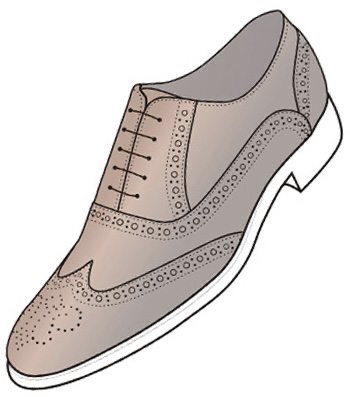
Still wearing running shoes all the time (even when you’re NOT running)? Explore other options.
Why? It boils down to a traditional school of thought that’s still alive and well these days: you can judge a man by his shoes.
People see shoes as a way of measuring your net worth – or assuming your career and social status.
So I believe in spending good money on a pair of high-quality dress shoes. It’s a classic type of footwear that works for nearly all occasions.
A pair of quality leather shoes is one of the best investments – provided it’s durable and comfortable to wear for many years (with nothing more than some light cleaning and the occasional shine required).
It’s not just about looking sharp. These shoes represent attention to detail, and how carefully you present yourself (not giving people any reason to ridicule your young age or starting salary).
Style Tip 4# – Take care of your clothing

In general, being young means you’ve got less disposable income. Budgeting is a must.
But at the same time – there’s no excuse for not keeping your clothes in great shape.
With just a few bucks, be selective with buying things such as wooden hangers for your suits, shoe trees for your shoes, a reliable iron, and detergent.
And then there’s the free stuff – information. Be educated on ironing your shirt properly (so you don’t end up ruining the fabric or leaving marks).
Style tip #5 – Nail the Fit
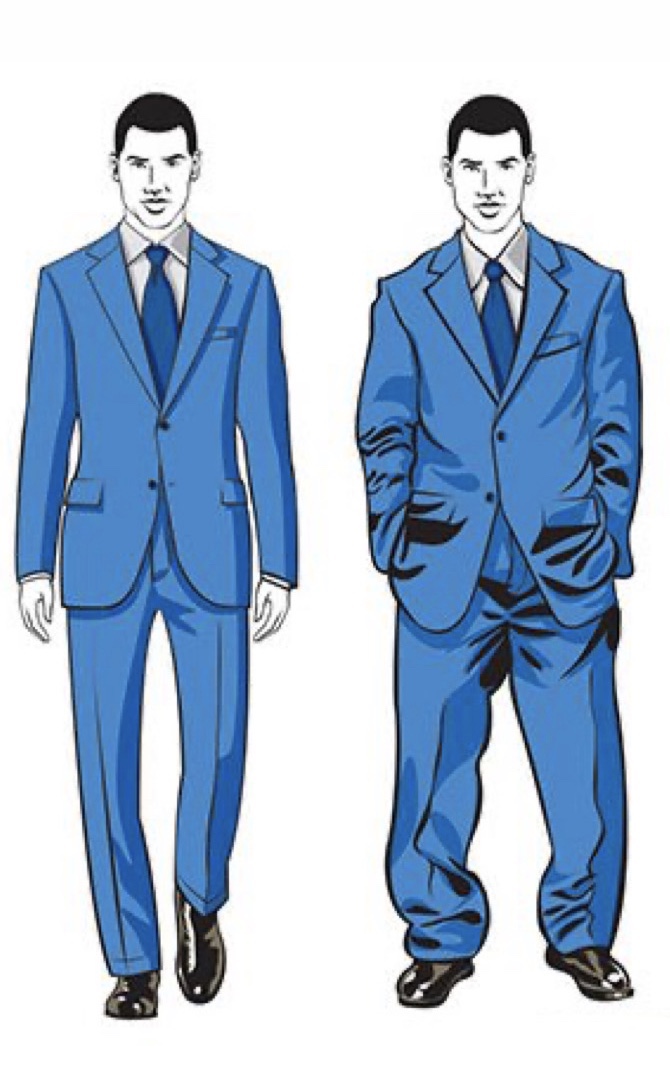
At home, you might still enjoy wearing those baggy shorts or oversized shirts even though you have slimmed down…
But outside, remember that fit is king. It’s your top concern in the style pyramid (before you think of fabric and function/style) for any clothing item.
Rule of thumb: If it doesn’t fit (and can’t be slightly adjusted to fit) – do NOT buy it. It won’t work.
Style Tip #6 – Own a well fitted suit
No matter what your job is, you’ll most likely wear a high-quality suit at some point in life.
So if you’re going to buy one, make sure it’s a classic suit. Consider factors like notch lapels, the proper length of the jacket (the back side shouldn’t completely cover your butt) and a clean, consistent stitching (check this by opening the vents and breast pocket).
For any suit that’s off the rack – do take the time to have it adjusted. Some department stores still offer the service, but chances are you’ll need to find a tailor independently.
Skilled tailors would know how to make small changes that take it from “mediocre” to “perfect for you.” They could even turn a ten-dollar suit from the thrift shop into a staple of your dress wardrobe. That’s right – it doesn’t matter where the suit comes from. As long as it looks amazing on you!
Note: Be careful in picking the color of your suit. You wouldn’t wear something bright or flashy to a funeral or corporate event. Make the best choice based on the relevant occasion and your shoe color.
Style Tip #7 – Choose QUALITY over QUANTITY
What good is a wardrobe that’s oversaturated with items that either (A) don’t feel good to wear or (B) are difficult to match with one another?
The truth is it’s pretty much a dump – where the good stuff gets lost in the mix while the rest have to be cleared or replaced. While you’re still young, this is one of those mistakes you’ll be glad you made. Because it gives you the wisdom to make better purchases (even beyond clothing) at an early age.
But also – you should aim to build your own interchangeable wardrobe which includes:
This system provides a set of all clothes you’ll need 99% of the time – and every single piece is something you’ll enjoy wearing.
Style Tip #8 – Get Rid Of Worn Out Clothing
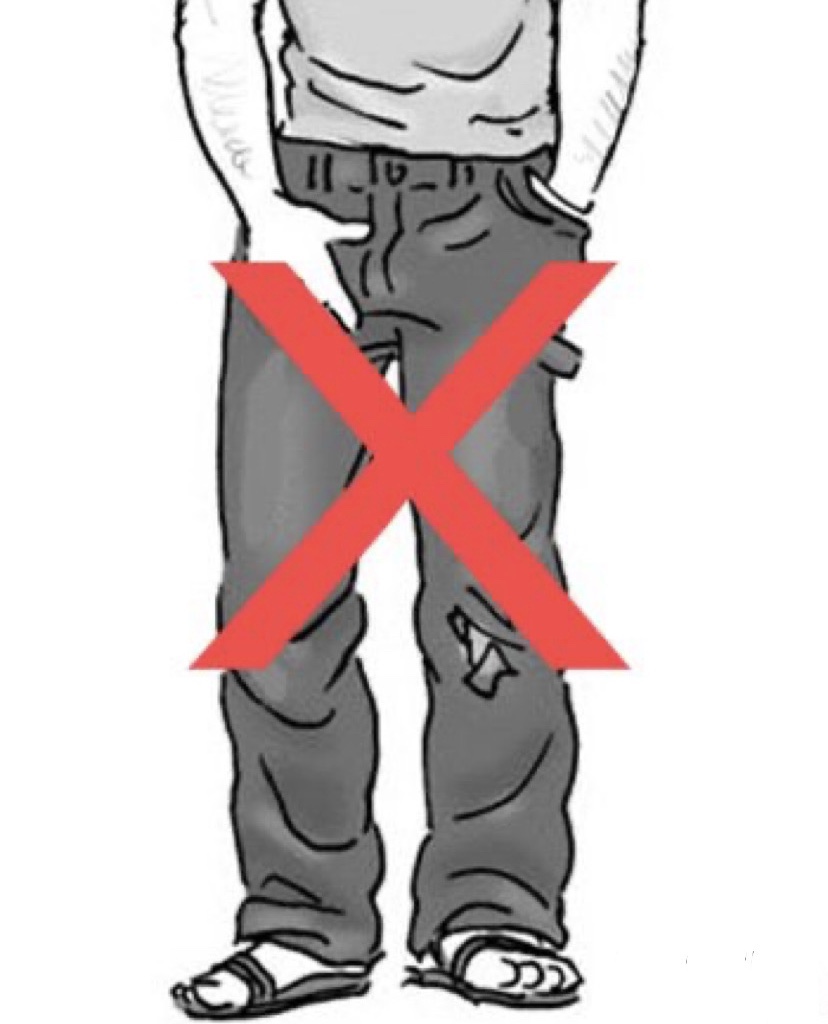
Certain jean styles might’ve been trendy during your teenage years (like tears, holes or distressed looks).
Eliminate those pants (or clothes with similar styles) from your closet right away. You want to move past that rebellious, individualistic phase for good.
Upgrade your legwear by sticking to what works: clean, well-fitted indigo jeans.
Also get a couple of dark-colored slacks or chinos (either straight or slim fit) to add some variety.
Style Tip #9 – Throw Out T-Shirts And Hoodies
We know that Mark Zuckerberg normally comes to work in a gray hoodie – as if he was running a local gym instead of Facebook.
But how many men like Zuckerberg are on this planet? Exactly…
The average guy doesn’t have such privileges – and will be judged in a negative way if he wears UN-dressy shirts or tops.
That includes different hoodies and t-shirts (especially graphic tees). To play it safe, donate the majority of those items to charity. Save a small portion for home or gym use.
Your focus should be on having different well-fitted casual button-downs and long-sleeved sweaters. You can also opt for sports shirts or polo shirts during warmer days.
Style Tip #10 – Ignore Fashion Trends
Finally, don’t fall prey to the whimsical whims of fashion.
Mainstream fashion trends change too fast to really become staples of your style. And young men can’t afford a complete wardrobe overhaul every month. So avoid anything that doesn’t survive past an “in” season (like skinny ties and jeans).
Stick to timeless clothing pieces and classic colors, patterns, textures, and combinations (those which have existed since your parents’ and grandparents’ younger years) – since those will never disappoint.
This is an example post, originally published as part of Blogging University. Enroll in one of our ten programs, and start your blog right.
You’re going to publish a post today. Don’t worry about how your blog looks. Don’t worry if you haven’t given it a name yet, or you’re feeling overwhelmed. Just click the “New Post” button, and tell us why you’re here.
Why do this?
The post can be short or long, a personal intro to your life or a bloggy mission statement, a manifesto for the future or a simple outline of your the types of things you hope to publish.
To help you get started, here are a few questions:
You’re not locked into any of this; one of the wonderful things about blogs is how they constantly evolve as we learn, grow, and interact with one another — but it’s good to know where and why you started, and articulating your goals may just give you a few other post ideas.
Can’t think how to get started? Just write the first thing that pops into your head. Anne Lamott, author of a book on writing we love, says that you need to give yourself permission to write a “crappy first draft”. Anne makes a great point — just start writing, and worry about editing it later.
When you’re ready to publish, give your post three to five tags that describe your blog’s focus — writing, photography, fiction, parenting, food, cars, movies, sports, whatever. These tags will help others who care about your topics find you in the Reader. Make sure one of the tags is “zerotohero,” so other new bloggers can find you, too.

 Fashion